 EN
EN
 AR
AR HR
HR CS
CS DA
DA NL
NL FR
FR DE
DE EL
EL HI
HI IT
IT JA
JA KO
KO NO
NO PL
PL PT
PT RU
RU ES
ES SV
SV TL
TL ID
ID LT
LT SR
SR SK
SK UK
UK VI
VI HU
HU TH
TH TR
TR MS
MS GA
GA CY
CY AZ
AZ LO
LO LA
LA MN
MN NE
NE MY
MY KK
KK UZ
UZ
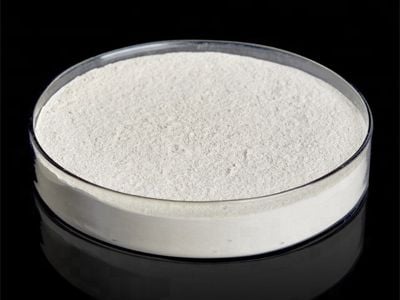
Calcium aluminate cement is a special kind of cement that is very important for making refractory castables. Refractory castables are materials used to build things that need to handle very high temperatures, like furnaces and kilns. Unlike regular cement, calcium aluminate cement can withstand heat without breaking down. This makes it a great choice for people in the manufacturing industry. At Datong, we understand just how crucial this material is for keeping factories and other high-heat environments running smoothly. Our calcium aluminate cement cement is designed to meet the needs of various projects, providing strength and reliability where it’s needed most.
Choosing the Right Calcium Aluminate Cement for Your Project Needs
When it comes to choosing calcium aluminate cement, it’s not just about picking any product off the shelf. Different projects have different needs, and understanding those needs is key. For instance, some projects may require a cement that sets quickly, while others might need one that can withstand extreme temperatures for a longer time. At Datong, we offer various types of calcium aluminate cement that cater to these different requirements. If you're working on a project that needs to be done fast, you might want a cement with a quick setting time. This allows you to finish your work sooner without compromising quality.
Another factor to think about is the environment where the cement will be used. Some projects may be in very wet or harsh conditions. In these cases, using a calcium aluminate cement that is resistant to moisture and chemical attacks is important. For example, if you're building a furnace that will be exposed to water or certain chemicals, you need a cement that won't break down. At Datong, we can guide you in choosing the right type based on your specific needs. Remember, the right choice of cement can make a big difference in how long your project lasts and how well it performs.
Key Specifications to Consider When Sourcing Calcium Aluminate Cement
When sourcing calcium aluminate cement, there are a few key specifications to keep in mind. One major specification is the alumina content. The higher the alumina content, the better the cement will perform under high temperatures. For example, cements with 40% or more alumina are great for very high-heat applications. At Datong, we ensure that our products meet these specifications so you can trust in their quality and performance.
Another important specification is the setting time. Some projects may require fast-setting cement, while others may benefit from a slower setting time that allows for adjustments. This is especially true in larger projects where precision is key. The heat resistance of the cement is also crucial. It should withstand the temperatures it will face during its lifetime. Lastly, you should consider the compressive strength. This determines how much weight the cement can support before it breaks down. At Datong, we take all these specifications seriously, providing you with a range of options to meet your project’s specific needs. When you know what to look for, choosing the right calcium aluminate powder becomes much easier, helping you complete your projects successfully.
Wholesale Sourcing Options for Calcium Aluminate Cement Suppliers
When looking to buy Calcium Aluminate Cement, it's important to know where to find it. Many companies, like Datong, offer this special type of cement in bulk. Buying in bulk means you get a lot of cement at one time, which can save you money. You can find suppliers online or in local areas. Online shopping is easy because you can compare prices and read reviews from other buyers. This helps you pick a good supplier. It's also smart to check if the supplier has a good reputation. Look for companies that have been around for a while and are known for their quality products. This ensures you are getting the best calcium aluminate cement for your needs.
Another option is to visit construction supply stores. These stores often have a variety of cement types, including calcium aluminate cement. You can talk to the staff there to learn more about your options. They can help answer any questions you have about how to use the cement or which type is best for your project. Sometimes, these stores offer discounts if you buy a larger amount. This is another way to save money while getting the materials you need. You can also ask about delivery options. If you buy a lot, some suppliers, like Datong, may deliver it to your location for free or at a lower cost. Always remember to check the shipping costs and delivery times, especially if you're on a tight schedule.
In addition to price and quality, think about customer service. A good supplier will help you with any problems you might have after your purchase. This could include answering questions about how to use the cement or helping you if there are any delivery issues. In summary, finding the right supplier for calcium aluminate cement is all about doing your research and choosing a company that offers quality products, good prices, and helpful service. Companies like Datong can be a great choice for sourcing this important material for your projects.
Installation Guidance for Calcium Aluminate Cement in Refractory Castables
Installing calcium aluminate cement in refractory castables is a careful process, but it can be done easily with the right steps. First, make sure you have all your materials ready. You will need the calcium aluminate cement, aggregates (which are small stones or sand), and water. Before you begin, it’s important to read all the instructions that come with the materials. This will help you understand how to mix everything correctly.
To start, measure out the correct amount of calcium aluminate cement and the aggregates. A good mix usually has one part cement to three parts aggregates. This mix will make sure your castable is strong and can handle high temperatures. Next, put the dry ingredients in a clean mixing container and stir them together. Make sure they are mixed evenly so that the cement and aggregates combine well. After that, it’s time to add water. Slowly add water to the mix while stirring. Be careful not to add too much water at once. The mixture should be thick but still wet enough to pour easily.
Once your mixture is ready, it’s time to pour it into the molds or areas where you want to use it. Make sure to work quickly because the cement will start to harden after a while. Use a trowel or a similar tool to spread the mixture evenly. If you are filling a mold, make sure to pack it down firmly so there are no air pockets. After you have filled the mold or area, let it sit and cure. Curing means letting the cement harden and gain strength over time. It’s usually best to cover the castable with a damp cloth or plastic to keep it moist while it cures. This process can take several days, depending on the temperature and humidity in the air.
Finally, once the castable is fully cured, it can be used in high-temperature situations. Calcium aluminate cement is excellent for this because it can withstand heat better than regular cement. Always remember to follow safety guidelines when working with cement. Wear gloves and a mask to protect yourself from dust and particles. By following these steps, you can successfully install calcium aluminate cement in refractory castables and ensure they are strong and ready for use.
Cost Factors to Consider When Purchasing Calcium Aluminate Cement in Bulk
When buying calcium aluminate cement in bulk, it is important to think about the costs involved. The price of cement can vary based on many factors. One of the biggest factors is where you buy it from. Different suppliers may have different prices. For example, Datong might offer competitive prices that can help you save money. Always check if there are any special deals or discounts for buying in larger quantities, as this can lower the cost per unit significantly.
Another factor to consider is the transportation cost. If you are buying a lot of cement, the shipping fees can add up quickly. Some suppliers offer free or reduced shipping if you meet a certain order amount. This is something you should look for when comparing prices. It can make a big difference in your total cost. Also, consider the location of the supplier. If they are far away, you may end up paying more in shipping than if you choose a local supplier.
In addition to these costs, think about the quality of the cement you are buying. Sometimes, cheaper cement may not work as well as higher-quality options. If the cement doesn’t perform well, you might need to replace it sooner or deal with problems in your project. This can end up costing you more in the long run. It’s wise to find a balance between price and quality. Datong, for instance, is known for providing high-quality calcium aluminate cement at reasonable prices, which is a good option for many projects.
Table of Contents
- Choosing the Right Calcium Aluminate Cement for Your Project Needs
- Key Specifications to Consider When Sourcing Calcium Aluminate Cement
- Wholesale Sourcing Options for Calcium Aluminate Cement Suppliers
- Installation Guidance for Calcium Aluminate Cement in Refractory Castables
- Cost Factors to Consider When Purchasing Calcium Aluminate Cement in Bulk
