 EN
EN
 AR
AR HR
HR CS
CS DA
DA NL
NL FR
FR DE
DE EL
EL HI
HI IT
IT JA
JA KO
KO NO
NO PL
PL PT
PT RU
RU ES
ES SV
SV TL
TL ID
ID LT
LT SR
SR SK
SK UK
UK VI
VI HU
HU TH
TH TR
TR MS
MS GA
GA CY
CY AZ
AZ LO
LO LA
LA MN
MN NE
NE MY
MY KK
KK UZ
UZ
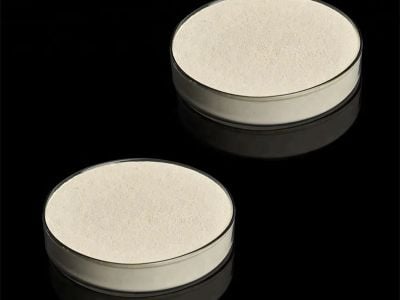
How to Choose the Right Mullite Grade for Refractories
Choosing the right grade of mullite for your refractory application can be challenging. Mullite is a ceramic material known for its ability to withstand high temperatures. It is commonly used in industries such as steel, glass, and ceramics. Selecting the appropriate mullite grade can help improve the durability, stability, and performance of refractory products. Datong understands how important this choice is and provides mullite grades for different applications.
Key Specifications for Selecting Mullite Grades in Refractories
Several specifications should be considered when selecting mullite for refractory applications. The first is the operating temperature. Different mullite grades can withstand different temperature ranges. For applications involving extreme heat, such as glass production, a grade with suitable high-temperature performance is essential. Strength is another important consideration. Some mullite grades offer greater mechanical strength and can better resist cracking or breaking under pressure. This is particularly important in applications where heavy equipment or mechanical loads are involved.
Particle size and shape should also be evaluated. Finer particles can contribute to a smoother and more uniform structure, while different particle sizes may be selected depending on the manufacturing process and desired properties. Datong provides different sizes to meet various application requirements.
Purity is another factor that can affect performance. High-purity mullite can provide desirable properties for demanding refractory cement applications, although it may have a higher cost. Buyers should balance purity, performance, and budget when selecting a grade. By comparing temperature resistance, strength, particle size, and purity, users can select a mullite grade that better matches their refractory requirements.
How to Evaluate Mullite Grade Quality?
Evaluating mullite quality is essential before using it in a refractory project. One factor to consider is the manufacturing process. Consistent production methods can help ensure that the material has stable and predictable properties. Datong uses controlled production processes to provide mullite for different refractory applications. Requesting samples can also be useful. Testing a mullite grade under conditions similar to the intended application can provide information about its performance, durability, and compatibility with other materials.
Customer feedback and product evaluations can provide additional information. Reviews from users with similar applications may help identify potential advantages or limitations of a particular grade. Certifications and quality documentation should also be reviewed. These documents can provide information about product specifications and whether the material meets relevant quality requirements. Technical support is another valuable consideration. An experienced supplier can help customers compare grades according to temperature, strength, purity, particle size, and other application requirements. Datong's technical team can assist customers in selecting a suitable mullite grade based on their project needs.
Installation Considerations for Different Mullite Grades
Mullite is commonly used in high-temperature equipment such as furnaces, kilns, and other refractory structures. However, different grades may have different performance characteristics, so installation requirements should be considered carefully. First, determine the mechanical demands of the application. If the refractory structure needs to support significant loads, a mullite grade with suitable mechanical strength should be selected. For applications where thermal performance is the primary concern and mechanical loading is limited, another grade may be more appropriate. The installation method is also important. Some mullite products may require specific tools, preparation methods, or installation techniques. Following the supplier's recommendations can help prevent damage and reduce the risk of weak points in the finished structure.
Temperature conditions should also be considered during installation and initial operation. Proper heating procedures can help reduce the risk of thermal stress and cracking. Before beginning installation, users should review the product specifications and installation instructions. When necessary, consulting experienced bubble alumina refractory professionals can help ensure that the selected mullite grade is installed correctly.
Common Problems with Mullite Grades and Effective Solutions
Although mullite is a durable refractory material, selecting or installing an unsuitable grade can lead to performance problems. One common issue is insufficient mechanical strength. If a mullite grade cannot withstand the loads placed on it, cracking or breakage may occur. To prevent this, compare the material's strength specifications with the actual requirements of the application. Thermal shock can be another concern. Rapid heating and cooling can create thermal stress that may cause refractory materials to crack. For applications involving frequent temperature changes, a mullite grade with suitable thermal shock resistance should be considered. Datong offers different grades for various high-temperature applications.
Improper installation can also create problems. Incorrect placement, inadequate preparation, or failure to follow recommended procedures may create weak areas within the refractory binder structure. Careful installation and adherence to technical guidelines can help reduce these risks. Another potential issue is choosing a grade based only on price. A lower-cost material may not provide the performance required for a demanding application. Selecting a grade based on temperature resistance, strength, purity, thermal stability, and other relevant properties can provide better long-term value.
Where to Source Reliable Mullite Grades for Refractory Applications?
Finding a reliable supplier is an important part of selecting suitable mullite for refractory applications. A supplier with a broad range of grades can make it easier to find a material that matches the requirements of different projects. Datong provides mullite grades for various refractory applications and can help customers compare available options. When evaluating a supplier, consider product range, material specifications, quality control, technical support, and availability. Customer service is also important. A knowledgeable supplier should be able to answer questions about material properties, applications, installation, and product selection. Customer reviews and feedback can provide additional insight into a supplier's reliability.
Price should also be considered, particularly for large projects. However, the lowest price does not always represent the best value. A higher-quality mullite grade may provide better durability and performance, potentially reducing replacement and maintenance costs over time. Buyers who require larger quantities can also ask about bulk pricing and availability. By carefully evaluating material specifications, application requirements, quality, installation conditions, and supplier support, businesses can make a more informed decision when sourcing mullite grades for refractory applications.
