 EN
EN
 AR
AR HR
HR CS
CS DA
DA NL
NL FR
FR DE
DE EL
EL HI
HI IT
IT JA
JA KO
KO NO
NO PL
PL PT
PT RU
RU ES
ES SV
SV TL
TL ID
ID LT
LT SR
SR SK
SK UK
UK VI
VI HU
HU TH
TH TR
TR MS
MS GA
GA CY
CY AZ
AZ LO
LO LA
LA MN
MN NE
NE MY
MY KK
KK UZ
UZ
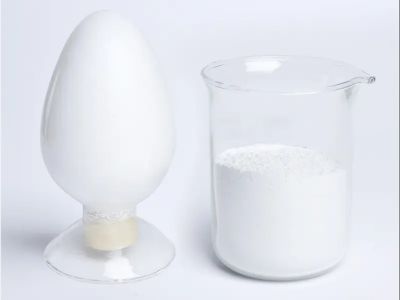
High-temperature refractories are important materials used in making glass and ceramics. They help factories create strong and beautiful products that people use every day. At Datong, we know how crucial these materials are. They can withstand very high temperatures without breaking down, which makes them perfect for glass and ceramic production. Our refractories help factories run smoothly and make high-quality products. It’s not just about making things; it’s about making them right. When you use high-temp refractories, you can produce items that are both durable and appealing, which is essential in today’s market.
What Are the Best Options for Glass and Ceramic Production?
When it comes to glass and ceramic production, choosing the right high-temperature refractories is vital. There are several options available. For example, alumina refractories are popular because they can handle extreme heat and are very strong. They are often used in kilns and furnaces. Another good choice is silica refractories, which are great for areas that need to resist thermal shock. This means they can quickly handle changes in temperature without cracking. At Datong, we focus on providing materials that not only meet the needs of the industry but also help manufacturers save money. Our products are designed to last longer, which means less time and money spent on repairs or replacements. The right refractories can lead to more efficient production, which is a win-win for everyone involved. With a mix of strength, durability, and resistance to heat, our refractories help ensure that the glass and ceramics produced are of the highest quality. Refractory clay is very important for manufacturers to assess their specific needs so they can choose the right refractories. This can make a big difference in how well their production processes run.
How High Temp Refractories Enhance Efficiency in Glass Manufacturing
High-temperature refractories play a key role in making glass efficiently. They not only withstand extreme heat but also help to conserve energy. When furnaces are built with strong refractories, they can maintain high temperatures without losing heat. This means that less energy is needed to keep the glass melting at the right temperature. At Datong, we understand that energy costs can add up quickly. Using our high-temp refractories can help factories save money in the long run. Furthermore, when the temperature is stable, the quality of the glass improves. That’s because the glass can melt evenly, which leads to fewer defects in the final product. This is important because customers want perfect glass products, whether it’s for bottles, windows, or art pieces. Additionally, good refractories reduce maintenance needs. When the furnace runs well, Silicon carbide means less downtime for repairs. This allows factories to produce more glass and ceramics, meeting the demands of their customers efficiently. By choosing the right high-temperature refractories, manufacturers can enhance their production capabilities, save on costs, and improve the quality of their products. With Datong’s commitment to providing high-quality materials, we help factories achieve their goals in glass and ceramic production.
What Common Issues Arise When Using High Temp Refractories in Glass Production?
When making glass, many factories use materials called high-temperature refractories. These materials can handle very hot temperatures without breaking down. However, there are some problems that can happen when using them. One main issue is that refractories can crack or break if they are not installed correctly. If the workers do not put the refractories in the right place or do not use the right amount, they might not hold up during the melting process. This can lead to glass not being made correctly and can also create safety hazards in the factory. Another problem is that high temperatures can cause the refractories to wear out or erode over time. This means they will not last as long as they should, and the factory will have to spend more money to replace them often.
In addition, sometimes the refractories can absorb moisture. If this happens, it can cause the materials to not work as well. When water gets into the refractories, Bauxite can create steam when they are heated. This steam can cause problems like cracking and can even lead to explosions in very high temperatures. Finally, the chemical reactions between the glass and the refractories can also lead to issues. Certain types of glass can react badly with some refractories, causing them to break down faster. To avoid these problems, it is essential for factories to choose high-quality refractories, like those from Datong, and to follow the right installation and maintenance processes.
What to Consider When Buying Wholesale High Temp Refractories for Ceramics?
When looking to buy high-temperature refractories for ceramics, there are a few important things to think about. First, you need to know what kind of ceramics you will be making. Different types of ceramics need different kinds of refractories. For instance, some ceramics might need materials that can handle even higher temperatures than others. This is important because using the wrong kind of refractory can affect the quality of the final product. Another thing to consider is the size and shape of the refractories. Depending on the equipment you have, you may need refractories that fit specific spaces. This means you should measure carefully and make sure the materials will fit perfectly into your kiln or furnace.
Also, think about the durability of the refractories. You want to buy materials that will last a long time without breaking down. Datong offers high-quality refractories that are known for their strength and long-lasting performance. It's also smart to check how easy they are to install. Some refractories may require special tools or skills to put in, which can add to the cost and time of the project. Finally, consider the price and the supplier. Buying in bulk can often save money, but it is essential to ensure you are getting quality materials. Choosing a trusted supplier like Datong can help you find the right products at a fair price.
How to Troubleshoot Common Problems with High Temp Refractories in Production
If you start to notice problems with high-temperature refractories during production, it’s important to fix them quickly. The first step is to identify what the problem is. If you see cracks or breaks in the refractories, it could be due to thermal shock. This happens when the materials are heated or cooled too quickly. To solve this, make sure the kiln or furnace is heating and cooling at a steady pace. You may need to adjust the temperature settings to allow for a slower change.
Another common issue is erosion, which can happen if the refractories are too old or if they were not installed correctly. If you notice erosion, check if the refractories are still in good condition. If they are not, it might be time to replace them. Always use high-quality products from Datong to ensure they last longer. If moisture is causing issues, try to keep the area where the refractories are stored dry. Make sure to check for leaks or spills around the equipment that could introduce moisture.
If you notice that glass or ceramics are reacting badly with the refractories, it might be a good idea to analyze the materials. Some materials can cause chemical reactions that weaken the refractories. In this case, you may need to switch to a different kind of refractory that is more compatible with the glass or ceramics you are using. Keeping a close eye on the refractories and addressing any issues right away can help keep production running smoothly. Regular maintenance and using high-quality materials from Datong are key to minimizing problems and ensuring a successful production process.
Table of Contents
- What Are the Best Options for Glass and Ceramic Production?
- How High Temp Refractories Enhance Efficiency in Glass Manufacturing
- What Common Issues Arise When Using High Temp Refractories in Glass Production?
- What to Consider When Buying Wholesale High Temp Refractories for Ceramics?
- How to Troubleshoot Common Problems with High Temp Refractories in Production
