 EN
EN
 AR
AR HR
HR CS
CS DA
DA NL
NL FR
FR DE
DE EL
EL HI
HI IT
IT JA
JA KO
KO NO
NO PL
PL PT
PT RU
RU ES
ES SV
SV TL
TL ID
ID LT
LT SR
SR SK
SK UK
UK VI
VI HU
HU TH
TH TR
TR MS
MS GA
GA CY
CY AZ
AZ LO
LO LA
LA MN
MN NE
NE MY
MY KK
KK UZ
UZ
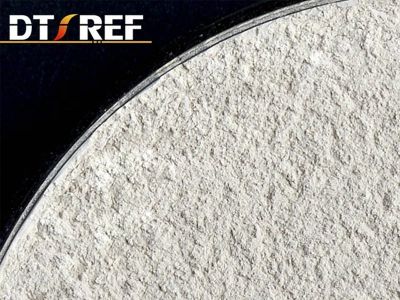
Calcium aluminate cement, often called CAC, is special because it helps make strong and lasting refractory linings. Refractory linings are materials used to protect structures that are exposed to very high temperatures, like furnaces and kilns. These linings need to be tough and reliable to keep the equipment safe. Datong is a company that focuses on making high-quality materials, including calcium aluminate cement, which is perfect for these demanding jobs. This cement is different from regular cement because it can withstand extreme heat and doesn't break down easily. This makes it a great choice for industries that need to keep their operations running smoothly, even in tough conditions.
How Calcium Aluminate Cement Improves Refractory Lining Durability?
Calcium aluminate cement is known for its ability to resist wear and tear. This means that when it's used in refractory linings, it can last much longer than other materials. For example, in a steel plant, the temperatures can get incredibly high. Regular cement might crack or break down in just a short time. But with calcium aluminate cement, the lining can stay strong for years, even in these extreme conditions. This is because calcium aluminate cement forms strong bonds that hold the material together tightly. When heat is applied, it doesn’t just melt away like some other materials. Instead, it stays solid and keeps doing its job.
Another great thing about calcium aluminate cement is that it can handle thermal shock. Thermal shock happens when there is a sudden change in temperature. For instance, if a furnace is turned off and then back on quickly, the lining can crack if it’s not strong enough. But with Datong’s calcium aluminate cement, the lining can expand and contract without breaking. This flexibility is key to making sure that the lining lasts. It’s like how a rubber band can stretch but not snap. Plus, this cement is also resistant to certain furnace linings. In many industries, there are materials that can wear down normal cement quickly. Using calcium aluminate cement helps protect against these chemicals, making the linings even tougher.
Key Specifications of Calcium Aluminate Cement for Refractory Use
When choosing calcium aluminate cement for refractory use, it's important to look at some key specifications. First, the alumina content is crucial. A higher alumina content often means better heat resistance. Datong offers calcium aluminate cement with a high alumina level, which makes it suitable for very hot applications. Another specification to consider is the setting time. Some projects need a fast-setting product, while others may need something that sets more slowly. Datong provides different options to fit various project needs.
It's also important to think about the cement's strength after it has set. Calcium aluminate cement usually gains strength quickly, which means that the refractory lining can be put to use sooner. This is really helpful in industries where time is money. Additionally, the thermal conductivity of the cement matters too. A good calcium aluminate cement should have low thermal conductivity to keep heat inside the furnace where it belongs. Datong’s products are designed with these specifications in mind, ensuring they meet the needs of different industries. Understanding these key features helps businesses choose the right type of calcium aluminate cement to enhance their refractory linings and improve their overall production efficiency.
Evaluating the Quality of Calcium Aluminate Cement in Refractory Systems
Calcium aluminate cement (CAC) is a special type of cement that is very important for making strong and heat-resistant materials called refractory linings. Refractory linings are used in places that get really hot, like furnaces and kilns. To understand how good a calcium aluminate cement is, we need to look at a few key points. First, we check the strength. A good CAC should be strong enough to handle high temperatures without breaking down. When it is mixed with water, it should set quickly and harden into a solid material that can take the heat. Another important factor is the chemical composition. High-quality CAC has a specific mix of calcium and aluminum oxides that helps it resist heat and chemical attacks. At Datong, we make sure our calcium aluminate cement meets these standards. We also test our products in different conditions to see how they perform. This helps us ensure that when our customers use our CAC in their refractory linings, they are getting a reliable product that will last. Lastly, we consider the workability of the cement. A good CAC should be easy to mix and apply. If it’s too thick or hard to work with, it can cause problems during the installation of the refractory lining. We at Datong focus on creating CAC that is not only strong but also easy for workers to use, making their job simpler and more efficient.
Common Problems with Refractory Linings and How to Solve Them
Refractory linings are crucial for protecting equipment in high-temperature environments. However, they can face several problems that affect their performance. One common issue is cracking. Cracks can happen because of rapid temperature changes or poor installation. When the lining cracks, it can let heat escape and cause damage to the equipment. To solve this problem, it’s important to use high-quality materials like calcium aluminate cement from Datong. Our CAC helps create stronger linings that can handle temperature changes better. Another issue is erosion, which happens when the lining wears away over time due to heat or chemical exposure. This can lead to weak spots and even failure of the lining. To prevent erosion, we recommend regular inspections and maintenance. If erosion is spotted early, repairs can be made before serious damage occurs. Additionally, using a thicker layer of refractory material can help protect against erosion. A third problem is thermal shock, which is when the lining gets hot and then cools down too quickly. This can cause it to crack or break. To reduce thermal shock, it's important to heat up the equipment slowly. Using calcium aluminate can also help because it can withstand sudden temperature changes better than other materials. By addressing these common issues with the right materials and maintenance, we can ensure that refractory linings perform well and last longer, protecting valuable equipment.
Applications of Calcium Aluminate Cement Across Various Industries
Calcium aluminate cement has many important uses in different industries because of its unique properties. One of the main industries that use CAC is steel manufacturing. In this industry, the temperatures can get extremely high, and the equipment needs strong and durable linings to protect against heat and wear. Datong’s calcium aluminate cement is perfect for this, as it can handle high temperatures and help keep steel production running smoothly. Another industry that benefits from CAC is the construction industry. Here, it is used to make fire-resistant materials for buildings. This is especially important in places like kitchens or areas with heavy machinery. By using our calcium aluminate cement, builders can create safer structures that can resist heat. The power generation sector also uses CAC, particularly in plants that burn coal or other fuels. The high temperatures in these plants require reliable refractory linings to keep everything working properly. CAC helps ensure that these linings can withstand the intense heat and chemical reactions that occur during operation. Additionally, the cement is used in the manufacture of ceramics and glass, where high temperatures are also a factor. In all these applications, Datong’s calcium aluminate cement proves to be a key material that enhances performance and reliability. By providing strength and heat resistance, our CAC helps industries operate efficiently and safely, making it a valuable choice for many different applications.
Table of Contents
- How Calcium Aluminate Cement Improves Refractory Lining Durability?
- Key Specifications of Calcium Aluminate Cement for Refractory Use
- Evaluating the Quality of Calcium Aluminate Cement in Refractory Systems
- Common Problems with Refractory Linings and How to Solve Them
- Applications of Calcium Aluminate Cement Across Various Industries
