 EN
EN
 AR
AR HR
HR CS
CS DA
DA NL
NL FR
FR DE
DE EL
EL HI
HI IT
IT JA
JA KO
KO NO
NO PL
PL PT
PT RU
RU ES
ES SV
SV TL
TL ID
ID LT
LT SR
SR SK
SK UK
UK VI
VI HU
HU TH
TH TR
TR MS
MS GA
GA CY
CY AZ
AZ LO
LO LA
LA MN
MN NE
NE MY
MY KK
KK UZ
UZ
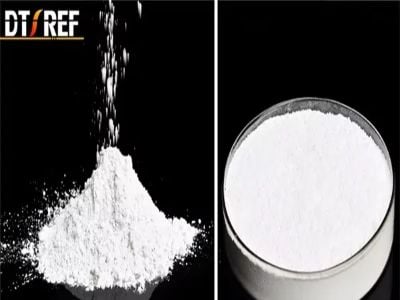
Reactive alumina and calcined alumina are two important materials used in many industries, especially in making refractories, which are materials that can withstand high heat. At Datong, we specialize in producing both types of alumina to meet various needs. Understanding the difference between reactive alumina and calcined alumina is essential for anyone looking to use these materials in their projects. Reactive alumina is made from aluminum hydroxide that has not been fully heated. It has a high surface area and is more reactive, which means it can interact more easily with other materials. This property makes Reactive alumina particularly useful in applications like ceramics, catalysts, and other formulations that require quick reactions. On the other hand, calcined alumina is produced by heating aluminum hydroxide to a high temperature, which removes water and converts it into a more stable form. This type of alumina has lower reactivity but offers excellent strength and durability, making it ideal for high-temperature applications like refractories. Knowing these differences can help industries choose the right type of alumina for their specific requirements.
Several things to think about
When it comes to bulk orders for reactive and calcined alumina, there are several things to think about. First, buyers should consider the quantity they need. Datong offers flexible order sizes, so whether you’re a small company or a large manufacturer, we can meet your needs. Another important factor is delivery time. Reactive alumina often requires faster processing because of its higher demand in certain applications. On the other hand, calcined alumina usually has a more stable supply chain, so it might take a bit longer to ship. Pricing is also a key consideration. Because reactive alumina is more specialized, it can be more expensive than calcined alumina production. Buyers need to factor this into their budgets. Additionally, the quality of the alumina is crucial. Datong prides itself on high-quality production standards, ensuring that every batch meets strict criteria. Lastly, communication is vital. Buyers should work closely with suppliers like Datong to ensure they get the right products for their projects. Having open discussions about specifications can help avoid any confusion and ensure the best outcome for their refractory formulations.
For wholesale buyers, choosing between reactive and calcined alumina can be a challenge, but understanding their specific needs makes the decision easier. If a buyer needs a material for a process that requires quick reactions, reactive alumina would be the better choice. This type of alumina can help in creating products that need to bond quickly or require high surface area for chemical reactions. On the flip side, if the application demands a material that can withstand extreme conditions or high temperatures, calcined alumina is the way to go. It’s known for its strength and durability, which is crucial in refractory applications. Furthermore, wholesale buyers should also consider the end use of the alumina. For example, if they are making ceramic tiles, reactive high purity alumina powder might be preferred for its reactivity in the glaze. However, if they are producing furnace linings, calcined alumina would be ideal. Datong’s team can help wholesale buyers evaluate their options by providing samples and technical support. This way, they can make informed decisions that fit their production needs.
Technical Specifications of Reactive and Calcined Alumina Explained
When we talk about alumina, we are referring to a special material that comes from aluminum. There are two main types of alumina used in making strong materials called refractories: reactive alumina and calcined alumina. Reactive alumina is very fine and can easily mix with water and other materials. It is made by heating aluminum oxide at lower temperatures. This type of alumina is great for making strong bonds in refractories. On the other hand, calcined alumina is produced by heating aluminum oxide at much higher temperatures. This process makes it more stable and hard. Calcined alumina is usually used when we need materials that can handle very high heat, like in furnaces or kilns.
In terms of their chemical make-up, both types of alumina are mostly made of aluminum and oxygen. However, reactive alumina has more surface area, which means it can react more easily with other materials. This property makes it useful for creating strong mixtures. Calcined alumina, being more stable, is often used in situations where strength and heat resistance are important. When using these aluminas in refractory formulations, it’s essential to choose the right type for the job. If you need something that can bond well and fill in gaps, reactive alumina from Datong is a good choice. If you need something to withstand extreme heat, calcined alumina is the better option.
Common Problems in Refractory Applications and Their Solutions
Refractory materials are used in places that get very hot, like in steel mills or in kilns. However, sometimes problems can occur when using these materials. One common problem is cracking. Cracking can happen when the refractories cool down too quickly or when they are not mixed well. To solve this issue, you can use reactive alumina from Datong because it helps create a strong bond, reducing the chances of cracks forming. Another problem might be spalling, which is when pieces of the refractory break off. This usually happens when the material is not strong enough to handle the heat. Using calcined alumina can help prevent spalling, as it is more resistant to high temperatures.
Another issue can be poor adhesion, which means that the materials don’t stick together well. This can cause a failure in the structure. To fix this, it is essential to ensure that the right type of alumina is used and that the mixture is done correctly. Using reactive alumina can improve adhesion because it creates a strong bond with other materials. It’s also important to follow the right mixing and installation processes. Lastly, sometimes the materials can wear out too quickly. This can happen if the wrong type of material is used for the job. Knowing when to use reactive or calcined alumina is key to solving this problem.
Installation Guidance for Reactive and Calcined Alumina Products
Installing refractory materials is an important step to ensure they perform well. When using reactive and calcined alumina from Datong, it’s essential to follow some guidelines. First, you need to prepare the area where the refractories will be installed. Make sure it is clean and dry. If there is dirt or moisture, the materials won’t stick well. After that, you should mix the reactive or calcined alumina according to the instructions. If you are using reactive alumina, make sure to mix it with the right amount of water and other materials. This helps create a strong bond. For calcined alumina, mixing may require different proportions, so always check the guidelines.
When applying the refractories, use a trowel or similar tool to spread the material evenly. For best results, work in small sections. If you rush, you might not get the best outcome. After installing the materials, allow them to cure properly. This means letting them dry and harden before exposing them to high heat. It’s also important to monitor the temperature and humidity during the curing process, as these can affect how well the materials set. If everything is done correctly, the results will be strong and long-lasting. Following these steps when working with Datong’s reactive and calcined alumina will help ensure that your refractory installations are successful and durable.
