 EN
EN
 AR
AR HR
HR CS
CS DA
DA NL
NL FR
FR DE
DE EL
EL HI
HI IT
IT JA
JA KO
KO NO
NO PL
PL PT
PT RU
RU ES
ES SV
SV TL
TL ID
ID LT
LT SR
SR SK
SK UK
UK VI
VI HU
HU TH
TH TR
TR MS
MS GA
GA CY
CY AZ
AZ LO
LO LA
LA MN
MN NE
NE MY
MY KK
KK UZ
UZ
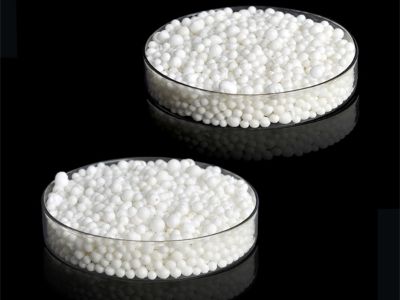
Refractory materials are very important in the steel industry. They are special materials that can handle very high temperatures without breaking down. Imagine a pot that can hold boiling water without melting. This is what refractory materials do in steel production. They help to create and shape steel by protecting the furnaces and other equipment from extreme heat. At Datong, we know a lot about these materials and how to use them well. We will talk about how to choose the right castable refractory materials for steel production and some common problems that come with using them.
Choosing the right refractory materials for steel production is key.
First, you need to think about the temperature. Different furnaces can get very hot, and the materials need to withstand that heat. For example, if you're working with a furnace that reaches 1,600 degrees Celsius, you need a refractory material that can handle at least that much heat. Next, consider the type of steel you are making. Different steels need different types of refractory materials. For instance, if you're working with stainless steel, you might need a different refractory than if you're making carbon steel. Also, think about how long you need the material to last. Some materials wear out faster than others. If you want something that lasts longer, you might choose a more durable option, even if it's a bit more expensive. Lastly, don't forget about chemical resistance. Some steel production processes can create harmful chemicals. You need refractory materials that won’t break down when exposed to these chemicals. At Datong, we offer a range of refractory materials that can meet these needs.
In the steel industry, there can be problems with refractory materials. One common issue is cracking. When temperatures change quickly, the materials can expand and contract, which might cause cracks. Imagine a piece of ice that breaks when you put it in warm water. The same thing can happen to refractory materials. Another problem is erosion. This happens when the high heat and chemicals slowly wear away the material. If not watched closely, this can lead to failure of the furnace. It's like a tire that wears down over time. To fix these problems, regular inspections are important. Checking for cracks and wear can help catch issues before they become big problems. Also, using the right installation methods can help prevent these issues. Proper application can make a big difference in how long the materials last. At Datong, we understand these challenges and provide solutions to help you avoid them.
Refractory materials are crucial for making steel.
Choosing the right ones and being aware of common issues can make a big difference in production. At Datong, we are here to support you with our knowledge and the best materials for your steel production needs. When it comes to making steel, one important part of the process is using special materials called refractory materials. These materials are designed to withstand very high temperatures and protect the equipment in steel plants. Choosing the right refractory materials is crucial for making better steel. To optimize the selection of high alumina refractory cement materials, companies like Datong need to consider several factors. First, it’s important to understand the specific needs of the steel-making process. Different types of steel require different temperatures and conditions. For example, some steel is made in electric furnaces, while others are made in blast furnaces. Each method has its own requirements for refractory materials. Companies must also think about how long the materials will last. Longer-lasting materials mean less time and money spent on repairs. Datong focuses on high-quality materials that can handle the heat and last longer in the harsh environment of a steel plant. Another key point is to consider the chemical reactions that can happen in steelmaking. Some materials are better at resisting these reactions, which can help keep the equipment safe and running smoothly. Lastly, it’s important to work closely with the teams at the steel plant. By understanding their needs and challenges, Datong can provide the best solutions and help improve the quality of steel produced.
The steel industry is always changing, and this includes the types of refractory materials used.
One of the latest trends is the development of new, advanced materials that can withstand even higher temperatures. This is important because many steel plants are trying to produce steel more efficiently and at higher quality. Companies like Datong are researching and creating these advanced materials to meet the demands of modern steelmaking. Another trend is the use of more environmentally friendly materials. Many steel plants are looking for ways to reduce their impact on the environment. This means using materials that are safer and have a smaller carbon footprint. Datong is committed to providing solutions that not only perform well but also help protect the planet. Additionally, there is a growing interest in using smart technologies in the steel industry. This means using sensors and data to monitor the condition of refractory materials in real-time. By doing this, companies can predict when materials need to be replaced, reducing downtime and costs. Datong is at the forefront of these innovations, working to offer products that can integrate with smart technologies. Overall, staying updated on these trends helps Datong provide the best products for steel manufacturers, ensuring they can produce high-quality steel efficiently and sustainably.
Ensuring that refractory materials last a long time in steel plants is very important for keeping everything running smoothly.
There are several strategies to achieve this. First, proper installation of refractory materials is crucial. If materials are not installed correctly, they can wear out faster. Teams at Datong provide guidance and support to ensure that the installation process goes well. Another important factor is regular maintenance. Steel plants should check the condition of the refractory materials often. This way, any signs of wear can be spotted early, preventing bigger problems later on. Datong recommends setting up a maintenance schedule to keep track of the condition of the materials. Additionally, operators should be trained to understand the signs of wear and know when to call for help. Using high-quality castable refractory cement materials is also key to ensuring long-lasting performance. Datong focuses on creating materials that can handle extreme heat and chemical reactions, which helps them last longer. Finally, companies should consider the operating environment. Different steelmaking processes can create different challenges, so it’s important to choose materials that are specifically designed to meet those challenges. Datong works closely with its customers to understand their unique needs and provide tailored solutions. By following these strategies, steel plants can ensure that their refractory materials perform well for a long time, leading to better steel quality and less downtime.
Table of Contents
- Choosing the right refractory materials for steel production is key.
- Refractory materials are crucial for making steel.
- The steel industry is always changing, and this includes the types of refractory materials used.
- Ensuring that refractory materials last a long time in steel plants is very important for keeping everything running smoothly.
