 EN
EN
 AR
AR HR
HR CS
CS DA
DA NL
NL FR
FR DE
DE EL
EL HI
HI IT
IT JA
JA KO
KO NO
NO PL
PL PT
PT RU
RU ES
ES SV
SV TL
TL ID
ID LT
LT SR
SR SK
SK UK
UK VI
VI HU
HU TH
TH TR
TR MS
MS GA
GA CY
CY AZ
AZ LO
LO LA
LA MN
MN NE
NE MY
MY KK
KK UZ
UZ
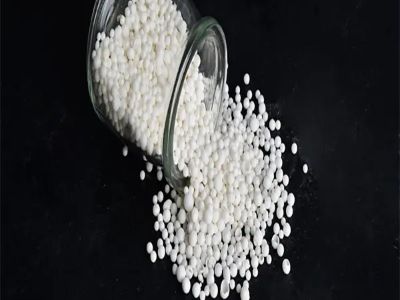
When working with high-temperature materials, it's crucial to choose the right type for your project. Two popular options are Tabular Alumina and White Fused Alumina. Both of these materials have unique properties that make them suitable for different applications in the refractory industry. Tabular Alumina is made by heating alumina to high temperatures, which creates a dense, crystal structure. This gives it excellent strength and thermal stability. White Fused Alumina is produced by melting alumina in an electric arc furnace. This process results in a material that is very pure and has a good balance of hardness and toughness. Knowing the differences between these two can help you make the best choice for your needs
Choosing Tabular Alumina or White Fused Alumina for Your Project is a big decision
If you need a material that can handle very high temperatures and has strong mechanical properties, Tabular Alumina might be the best option. It is often used in applications like kiln linings and refractory bricks, where durability is key. On the other hand, if your project requires a material that is less dense but still strong, White Fused Alumina could be the better choice. It is commonly used in applications like abrasives and ceramics. Think about what you need. Are you looking for strength? Or maybe you need something that is lighter? Both materials have their strengths, so it's all about what fits your project best. At Datong, we understand that every project is unique and can help you find the right solution
Key Specifications to Consider for Tabular and White Fused Alumina are important when making your choice
Tabular Alumina often has a higher density compared to White Fused Alumina, which means it can withstand more pressure. This makes it ideal for projects where strength is critical. Also, Tabular Alumina has a higher thermal shock resistance, which is crucial for high-temperature applications. On the flip side, White Fused Alumina is typically more affordable and has excellent purity. This makes it suitable for projects where cost is a concern, but you still need a reliable material. The grain size is also something to think about. Tabular Alumina usually has larger grains, which can be advantageous in certain applications because it helps with flow and reduces wear. Understanding these specifications can help you make an informed choice. At Datong, we are here to provide guidance and help you understand which material will work best for your specific requirements
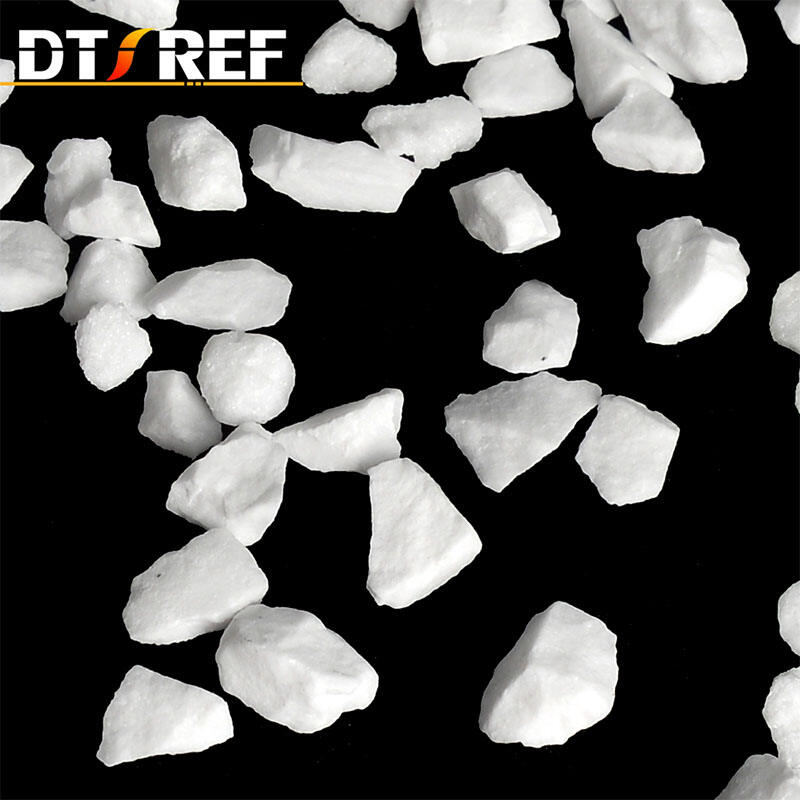
Applications of Tabular Alumina in Refractory Solutions and More
Tabular alumina is a special material that is used in many industries. It is made by heating alumina (which is a form of aluminum oxide) at very high temperatures. This process makes the alumina very strong and gives it a unique structure. Because of these qualities, tabular alumina is often used in refractory applications. Refractory materials are those that can handle very high temperatures without breaking down. This makes them important for industries like metal and glass production, where extreme heat is common
In the metal industry, tabular alumina is used to line furnaces and kilns. These are the places where metals are melted and shaped. When tabular alumina lines these furnaces, it helps to keep the heat inside, making the melting process more efficient. It also protects the furnace walls from damage. In addition to metal production, tabular alumina is also used in the glass industry. Glass is made by melting sand and other materials at high temperatures. Tabular alumina helps to create the right environment for this process, ensuring that the glass is made correctly
Another area where tabular alumina is useful is in the production of ceramics. Ceramics are made from clay and other materials that are heated to high temperatures. Tabular alumina can help improve the strength and durability of these ceramic products. Because of its high resistance to heat, tabular alumina is also used in the making of heat-resistant bricks and tiles. These bricks are used in places like fireplaces and pizza ovens, where they need to withstand very high temperatures
Overall, tabular alumina is an excellent choice for many refractory applications because of its strength, durability, and ability to handle heat. At Datong, we understand how important it is to choose the right materials for your projects. Our tabular alumina products can help you achieve the best results in your refractory applications
Where to Source Reliable Suppliers for Tabular and White Fused Alumina
Finding the right suppliers for tabular and white fused Alumina is very important for any project. Good quality materials will make a big difference in how well your products perform. When looking for suppliers, it is important to do some research. One of the best places to start is online. Many suppliers have websites that provide information about their products and services. You can find detailed descriptions, specifications, and even customer reviews on these websites. This can help you make a better choice
Another good way to find reliable suppliers is to ask for recommendations. Talk to other people in your industry or read forums where professionals discuss their experiences. They might know about suppliers that offer high-quality tabular and white fused alumina. At Datong, we pride ourselves on being a trusted supplier. We have a strong reputation for providing quality materials, and we are committed to helping our customers succeed
Once you have a list of potential suppliers, it is important to compare them. Look at factors like price, delivery times, and customer service. A supplier who is easy to communicate with and responds quickly to questions can make your ordering process much smoother. You also want to make sure they can deliver the materials on time, so your project stays on schedule
Finally, before making a purchase, it can be helpful to request samples. This way, you can physically check the quality of the tabular and white fused alumina before committing to a larger order. At Datong, we offer samples to our customers so they can see the quality of our products for themselves. By taking the time to find reliable suppliers, you can ensure that your refractory projects will go smoothly and meet your expectations
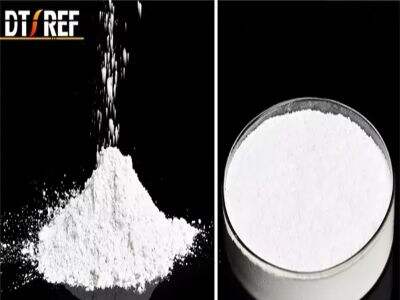
Installation Guidance for Tabular and White Fused Alumina Products
Installing tabular and white fused alumina products requires careful planning and attention to detail. It is important to follow specific steps to ensure that the installation is done correctly and safely. First, it is essential to prepare the area where the materials will be installed. This means cleaning the surface and making sure it is level and free from debris. A clean surface helps the alumina materials to bond better, which increases their effectiveness
Next, it is important to follow the manufacturer’s instructions. Different products may have different installation requirements, so it is crucial to read the guidelines carefully. At Datong, we provide detailed instructions for our products to help our customers with the installation process. These instructions often include information about the best tools to use and the right methods for applying the materials
When applying tabular or white fused alumina, it is important to work in small sections. This allows for better control and ensures that each area is properly installed before moving on. Use the right amount of pressure when applying the materials to ensure they are firmly in place. If you are using a cement or adhesive with the Alumina, make sure to mix it according to the instructions and apply it evenly
After the installation is complete, it is essential to allow the materials to cure properly. Curing means letting the materials set and harden, which can take time. Follow the recommended curing times, as rushing this process can weaken the installation. Once everything is set, check for any loose areas or imperfections, and make necessary adjustments
By following these installation guidelines, you can ensure that your tabular and white fused alumina products are installed correctly. At Datong, we are here to support you throughout the process, providing high-quality materials and guidance to help you achieve the best results in your refractory applications
Table of Contents
- Choosing Tabular Alumina or White Fused Alumina for Your Project is a big decision
- Key Specifications to Consider for Tabular and White Fused Alumina are important when making your choice
- Applications of Tabular Alumina in Refractory Solutions and More
- Where to Source Reliable Suppliers for Tabular and White Fused Alumina
- Installation Guidance for Tabular and White Fused Alumina Products
